

Common Causes of Concrete Failure and How to Repair Them
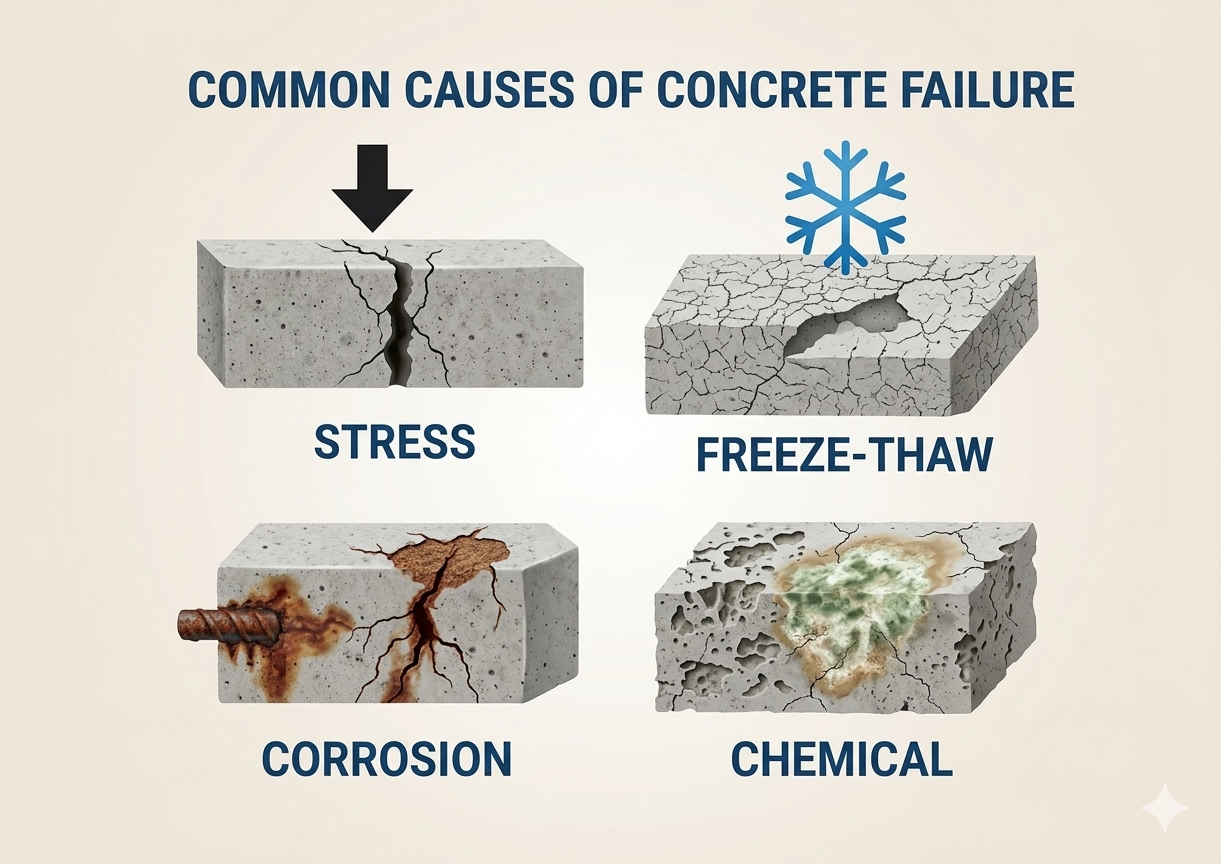
Concrete is one of the most widely used materials in construction due to its strength and durability. However, despite its reliability, concrete structures can sometimes develop defects or failures over time. These failures may occur due to poor construction practices, environmental factors, or structural stress.
Understanding the causes of concrete failure and the correct repair methods helps extend the lifespan of buildings and infrastructure.
What Is Concrete Failure?
Concrete failure occurs when the structural integrity of concrete is compromised, leading to cracks, surface deterioration, or structural weakness. If not properly repaired, these defects can worsen and affect the safety and durability of the structure.
Common Causes of Concrete Failure
Poor Mixing or Improper Concrete Ratio
Concrete must be mixed using the correct ratio of cement, sand, aggregates, and water. When the mix ratio is incorrect, the concrete may become weak and more prone to cracking.
Excess water in the mix can significantly reduce concrete strength.
Inadequate Curing
Curing is the process of maintaining adequate moisture in concrete after placement so that it gains strength properly. Poor curing can cause surface cracks and reduced durability.
Corrosion of Reinforcement
When water penetrates concrete and reaches the steel reinforcement bars, corrosion can occur. As the steel expands due to rust, it causes the surrounding concrete to crack and break away.
This process is commonly referred to as concrete spalling.
Structural Overloading
When a structure carries loads beyond its designed capacity, stress may cause cracking or structural damage to concrete elements such as beams, slabs, or columns.
Environmental Factors
Exposure to moisture, chemicals, or extreme weather conditions can gradually weaken concrete surfaces and cause deterioration.
Methods for Repairing Damaged Concrete
Repairing concrete depends on the severity and type of damage.
Crack Repair
Small cracks can be repaired using specialized crack repair materials or injection systems designed to restore structural integrity.
Concrete Repair Mortars
Damaged or spalled concrete surfaces can be repaired using high-performance repair mortars that restore the original shape and strength of the structure.
These repair mortars are designed to bond strongly with existing concrete.
Surface Protection
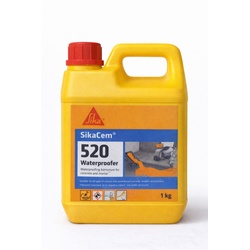
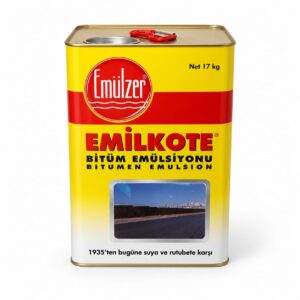
Applying protective coatings or waterproofing systems can prevent further water penetration and protect repaired surfaces from environmental damage.
Importance of Using Quality Repair Materials
Professional construction projects rely on high-quality repair materials to ensure long-lasting results. Products from trusted brands such as Sika, Weber, and MC-Bauchemie provide reliable solutions for structural repairs and surface restoration.
Using proper repair systems helps restore the durability and safety of concrete structures.
Conclusion
Concrete failure can occur due to several factors including poor mixing, inadequate curing, corrosion, and environmental exposure. Identifying the cause of damage and using the correct repair methods is essential for maintaining the strength and durability of structures.
By using modern concrete repair systems and proper construction practices, contractors and engineers can effectively restore damaged concrete and extend the lifespan of buildings.

