

Best Waterproofing Systems for Bathrooms and Wet Areas
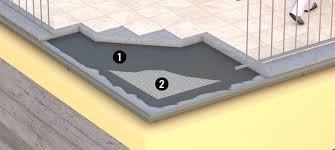
Water leakage in bathrooms and wet areas is one of the most common problems in buildings. Without proper waterproofing, water can penetrate the floor or walls, causing damage to tiles, ceilings, and structural elements.
Applying the right waterproofing system before tiling helps prevent leaks, mold growth, and long-term structural damage.
Why Waterproofing Is Important
Bathrooms, balconies, kitchens, and water tanks are constantly exposed to moisture. Without a waterproofing layer beneath the tiles, water can seep through the grout joints and reach the concrete substrate.
Over time, this can lead to:
- Water leakage to lower floors
- Tile detachment or popping
- Structural deterioration
- Mold and mildew growth
- Expensive repair costs
Waterproofing protects the building structure and ensures long-term durability.
Common Waterproofing Systems Used in Construction
There are several types of waterproofing systems used in modern construction depending on the application area.
Cementitious Waterproofing
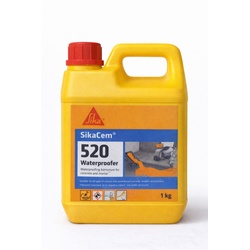
Cementitious waterproofing systems are widely used in bathrooms, kitchens, and wet areas. They are easy to apply and provide strong protection against water penetration.
These systems are usually applied before tiles are installed.
Liquid Waterproofing Membranes
Liquid waterproofing coatings create a seamless waterproof membrane when applied to surfaces. They are flexible and suitable for areas exposed to movement or cracks.
They are commonly used on roofs, terraces, and balconies.
Bituminous Waterproofing
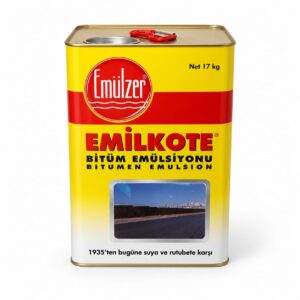
Bituminous waterproofing systems are commonly used for foundations and underground structures where water pressure is high.
They provide strong resistance against moisture penetration.
Proper Surface Preparation
Surface preparation plays a critical role in successful waterproofing.
Before applying waterproofing materials:
- Surfaces should be clean and free of dust
- Cracks should be repaired
- The substrate should be properly primed
- Corners and joints should be reinforced
Proper preparation ensures the waterproofing layer bonds effectively to the surface.
Professional Waterproofing Products
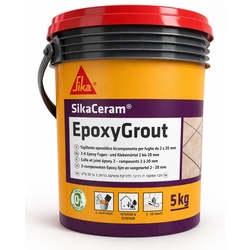
High-quality waterproofing systems are essential for reliable protection. Professional construction products from trusted brands such as Sika, Weber, and MC-Bauchemie provide tested solutions for different waterproofing applications.
Using certified waterproofing products ensures durability and long-term performance.
Conclusion
Waterproofing is an essential step in any construction project involving wet areas. Skipping this process can lead to expensive repairs and structural damage.
By applying the correct waterproofing system before tiling, contractors and builders can protect buildings from water penetration and ensure long-lasting construction quality.

