

How to Waterproof a Roof Properly and Prevent Water Leakage
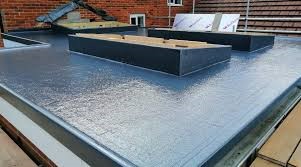
Roof leakage is one of the most common problems faced by homeowners, contractors, and building managers. When roofs are not properly waterproofed, water can penetrate through cracks or joints and cause serious structural damage.
Applying the right waterproofing system on a roof helps protect the building from moisture penetration and significantly extends the lifespan of the structure.
Why Roof Waterproofing Is Important
Roofs are constantly exposed to rain, sunlight, and temperature changes. Without proper waterproof protection, water can slowly seep into the concrete structure and cause deterioration over time.
Common problems caused by roof leakage include:
- Water stains on ceilings
- Structural deterioration of concrete
- Mold and mildew growth
- Damage to interior finishes
- Expensive repair costs
Proper waterproofing helps prevent these issues and improves the durability of the building.
Common Roof Waterproofing Systems
Different waterproofing systems are used depending on the roof design and environmental conditions.
Liquid Waterproofing Membranes
Liquid waterproofing systems are widely used for flat roofs. These coatings form a seamless membrane that protects the roof from water penetration.
They are flexible and can accommodate small structural movements.
Cementitious Waterproofing
Cement-based waterproofing systems are commonly used on concrete surfaces. They provide strong bonding with the substrate and are easy to apply.
These systems are often used in areas where tiles or protective screeds will be installed.
Polyurethane Waterproofing Systems
Polyurethane coatings provide excellent flexibility and durability. They are particularly suitable for exposed roofs where movement and temperature changes are significant.
Proper Surface Preparation
Surface preparation is critical for successful waterproofing.
Before applying waterproofing products:
- The roof surface should be cleaned thoroughly
- All cracks should be repaired
- Dust and loose particles should be removed
- The surface should be properly primed if required
Proper preparation ensures strong adhesion between the waterproofing material and the roof surface.
Application Best Practices
For effective waterproofing, contractors should:
- Apply the waterproofing product in the recommended thickness
- Reinforce corners and joints with waterproofing mesh if required
- Allow sufficient curing time between coats
- Follow the manufacturer’s installation guidelines
These steps help ensure the waterproofing system performs effectively for many years.
High-Quality Waterproofing Products
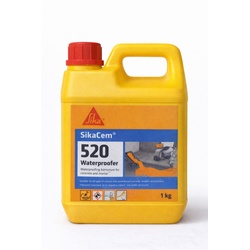
Using reliable waterproofing products is essential for long-term protection. Construction chemicals from trusted brands such as Sika, Weber, and MC-Bauchemie provide advanced waterproofing solutions for roofs, bathrooms, balconies, and other wet areas.
Selecting the right system ensures better durability and performance.
Conclusion
Roof waterproofing is an essential step in protecting buildings from water damage. By using the correct waterproofing system and following proper installation practices, contractors can prevent leaks and extend the lifespan of roofs.
Investing in quality waterproofing materials helps avoid costly repairs and ensures long-lasting building performance.

