


Foundation Waterproofing in Ghana: Why It Matters Before Construction Advances
When building a house, office or commercial property, some of the most important waterproofing materials are installed before the building even rises above ground level.
Unfortunately, because they eventually become invisible, DPM, DPC and foundation waterproofing are sometimes treated as optional expenses.
That mistake can become very expensive later.
- DPM — Protect the Floor from Ground Moisture
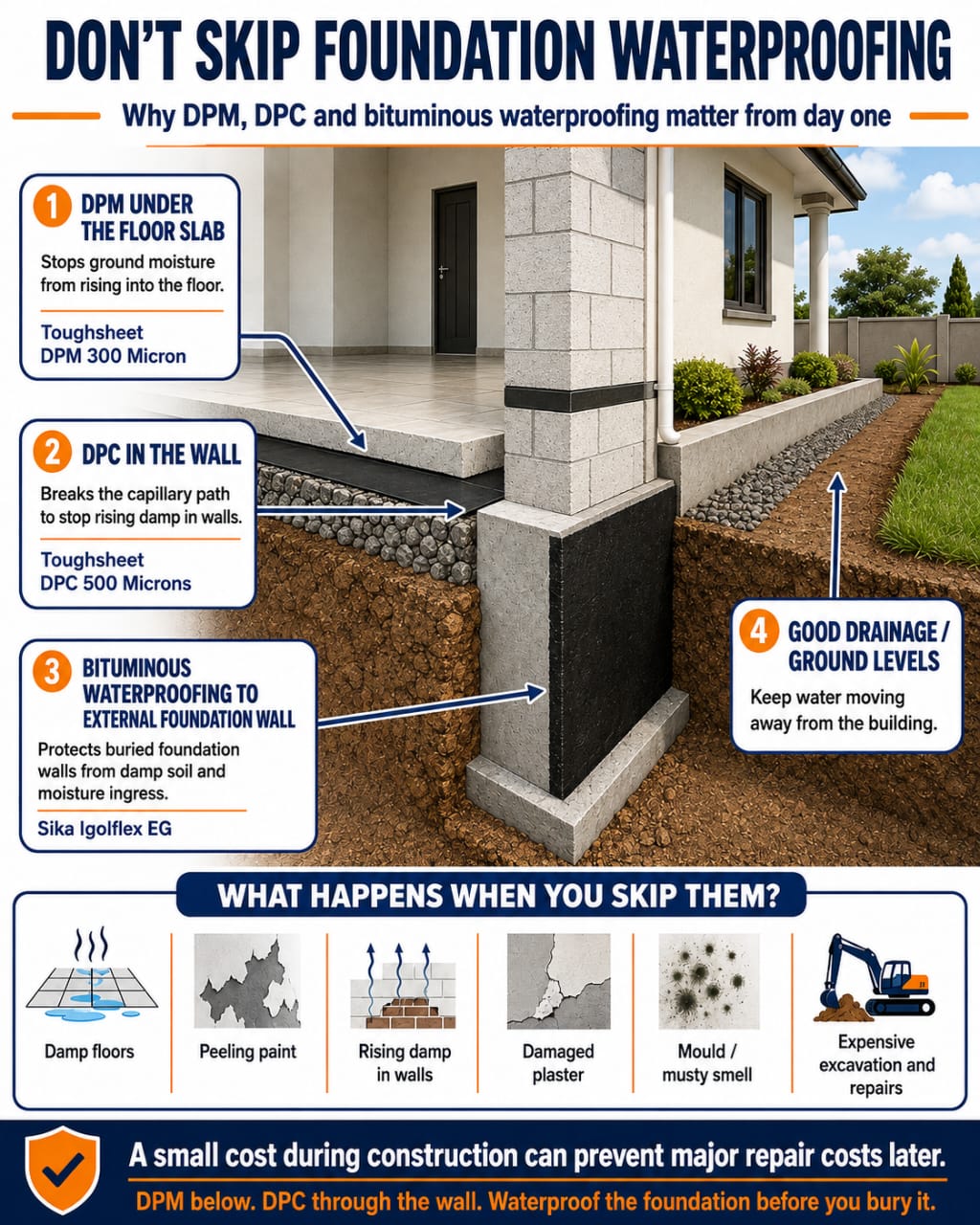
A Damp Proof Membrane (DPM) such as Toughsheet 300-micron DPM is installed beneath the ground floor construction to stop moisture and water vapour from migrating upwards from the soil.
Without an effective DPM, you may later experience:
- damp floors;
- lifting vinyl or timber finishes;
- damaged skirting;
- mould and musty odours;
- deterioration of floor finishes.
Once the building is occupied, correcting a failed or missing DPM can mean breaking floors and removing expensive finishes.
- DPC — Stop Rising Damp in Your Walls
A Damp Proof Course (DPC) creates a horizontal barrier in the wall that interrupts the capillary movement of ground moisture.
Without it, moisture can gradually rise through blockwork and mortar.
The result?
Peeling paint. Blistering plaster. Salt deposits. Damp lower walls. Repainting again and again.
You may keep treating the visible wall, but if the moisture is rising from the foundation, the real problem remains underneath.
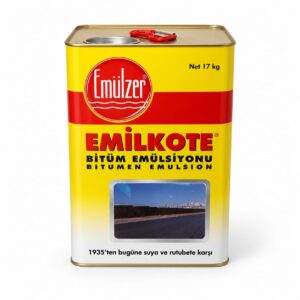
- Bituminous Waterproofing — Protect the Buried Foundation
Your foundation and buried walls remain in constant contact with damp soil.
Applying a suitable bituminous waterproofing system such as Sika Igolflex EG to the external foundation surfaces before backfilling provides an additional barrier against moisture penetration.
This is the best time to do it.
Why?
Because once you backfill and complete landscaping, accessing those same walls again may require:
excavation, demolition, removal of paving and major remedial work.
THE REAL COST OF SKIPPING FOUNDATION WATERPROOFING
Saving a relatively small amount during construction can later lead to:
❌ repeated repainting
❌ damaged plaster
❌ mould and damp odours
❌ deteriorated floor finishes
❌ expensive remedial waterproofing
❌ excavation around completed buildings
❌ disruption to occupants
❌ reduced property value
The biggest problem is that most of these repairs are carried out after the beautiful finishes have already been installed.
That is when waterproofing becomes expensive.
BUILD THE PROTECTION IN FROM DAY ONE
A good foundation moisture-protection strategy should consider:
DPM beneath the floor
DPC through the wall
Bituminous waterproofing to buried foundation surfaces
Proper drainage and ground levels around the building
These systems perform different jobs, but together they provide a much stronger defence against ground moisture.
Waterproofing is cheapest when you do it at the right stage.
Once the tiles, plaster, paint, paving and landscaping are completed, the cost of fixing what was forgotten underground can multiply dramatically.
Don’t save on what will protect the entire building.
DPM below. DPC through the wall. Waterproof the foundation before you bury it.

